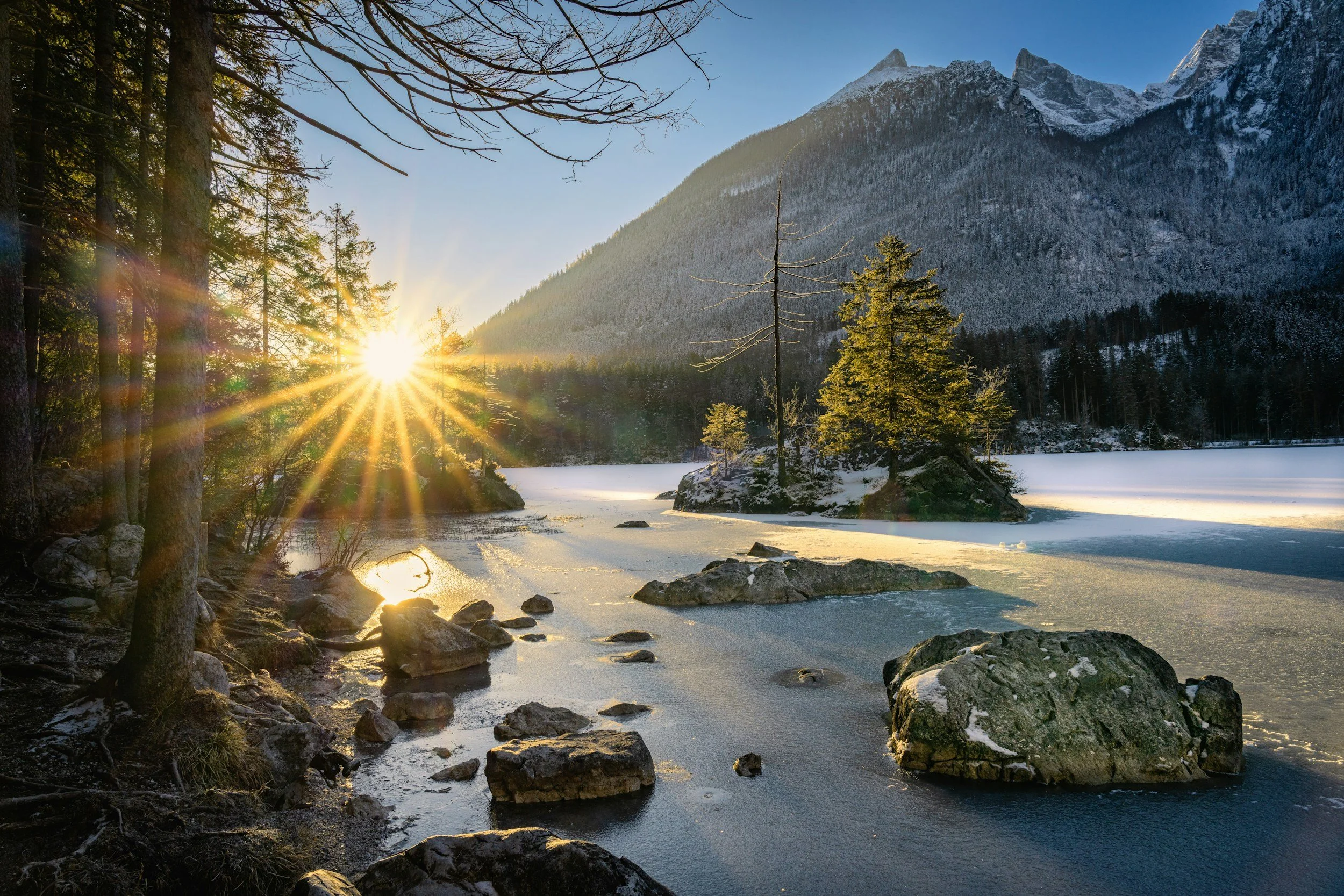
Winter Tarot: A Different Kind of Seasonal Ritual
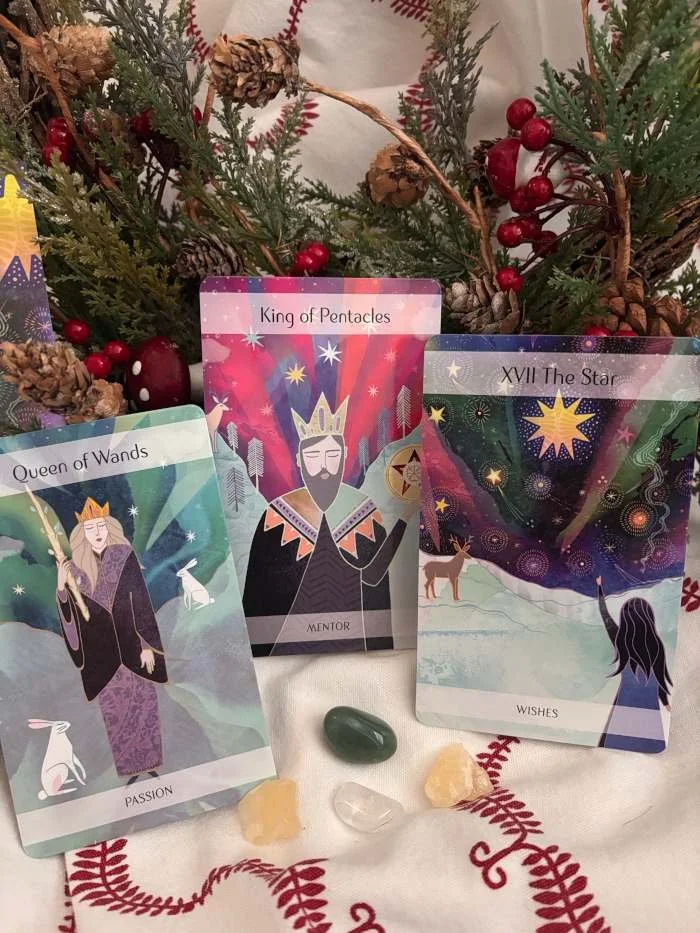
Quiet calm and folkloric wisdom from The Magical Nordic Tarot by Jayne Wallace
When the first real snow hits Bend and the mountains are all dressed up for winter,I find myself reaching for my tarot deck, not for dramatic revelations about the future, but as a way to check in with myself when the world gets quiet. There's something about winter's slowness that makes tarot reading feel less like divination and more like having a thoughtful conversation with yourself.
Working with tarot for years, and have noticed my relationship with the cards shift when the temperature drops. Summer spreads feel urgent, focused on action and next steps. But winter invites a different kind of inquiry- more curious than demanding, more exploratory than goal-oriented.
The Appeal of Winter Cards
It might be the longer nights or the way the snow muffles the sound of all things, but winter tarot sessions have a different quality. They're unhurried, with permission to sit with a single card longer and let insights unfold naturally rather than rushing toward interpretation. The crisp winter light of the High Desert creates an almost crystalline clarity that makes card imagery feel more vivid than ever.
Creating Your Winter Ritual
The ritual itself becomes part of the appeal- a gentle rebellion against the pressure to hit the slopes or tackle indoor projects. Lighting a candle against the early darkness, clearing space at your kitchen table, shuffling cards while something simmers on the stove- these small acts create a pocket of intentionality during winter's natural invitation to slow down. It's time carved out simply to be, rather than to do.
Simple Spreads and Questions
Here are a few gentle ways to work with your cards, whether you're drawing one or several:
The Seasonal Check-In: Three cards asking: What's working well in my life right now? What deserves my attention? What would make this winter more enjoyable?
Monthly Intention: On the first day of each month, draw one card while asking: "What wants my focus over the next few weeks?" Keep it somewhere visible as a gentle reminder (I like to keep mine on the night stand to reflect on it when I get up in the mornings or in the evenings before bed).
I’ve learned winter tarot works best with questions that invite reflection rather than prediction:
How can I better support myself through these darker months?
What pattern in my life is ready to shift?
Where am I being too hard on myself?
Trusting Your Inner Voice
The real magic happens not in the cards themselves, but in how you respond to them. That immediate 'knowing' when you flip a card before your analytical mind kicks in with traditional meanings is often the most valuable insight. Winter's contemplative energy makes it easier to hear these first impressions. Trust the image that catches your eye, the memory that surfaces, or the feeling that emerges before you second-guess yourself.
Pay attention to cards that feel especially resonant during winter months. The Hermit, for instance, seems to show up more often when the days get shorter; that solitary figure holding a lantern feels like the perfect companion for winter's natural invitation to turn inward. Rather than seeing it as isolation, winter helps us recognize The Hermit's wisdom: sometimes the most profound insights come when we step back from external noise and listen to our own inner guidance.
Making It Work for You
Don't have tarot cards? Oracle decks work just as well, or treat these as journal prompts. The practice is about creating regular moments of reflection, not having the right tools. Some days the cards will speak clearly; other days they'll feel neutral or confusing. This is your intuition too- recognizing when to push deeper and when to allow the message more time to unfold. Winter's unhurried nature is the perfect antidote for these slower reveals.
Why It Matters
In a culture that pushes productivity even when the natural world is dormant, winter tarot offers permission to slow down and pay attention. The cards don't predict your future, they reflect your present moment back to you, often revealing insights that were already there, waiting for the right question to bring them to light.
Sometimes the most radical thing you can do is sit quietly and listen to what you already know, that quiet voice that winter's stillness makes easier to hear.